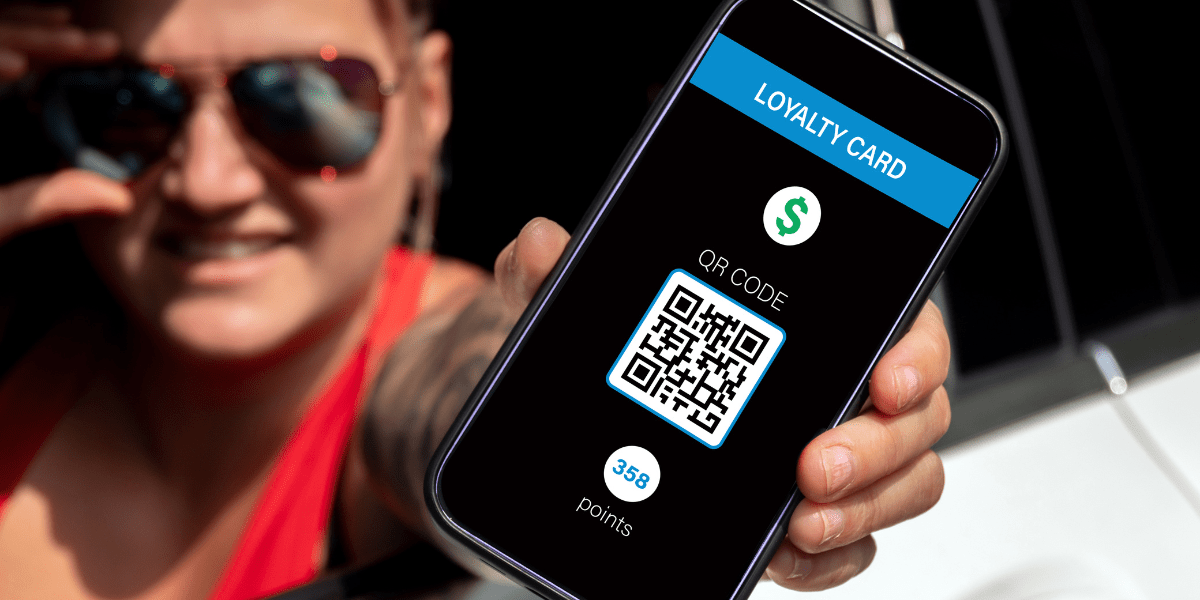

Loyalty Apps Loyalty apps are no longer an optional extra for UK businesses. Retailers are shifting to digital loyalty systems from plastic cards across the board — supermarkets, high-street shops, restaurants and fitness chains. Not only does this make it easy to track rewards — but it fosters customer relationships in ways that traditional programs don’t.
However, before you begin developing there is always one question that comes up: how much does a loyalty app cost in the UK?
It’s not so much that the answer is one number. The cost can differ based on the complexity of an app, features, compliance requirements and who you work with to develop it. UK businesses in 2025 on average are spending anything from a petite MVP budget to six-figured projects with repayment inside of the first year when done well.
This blog will break down:
- The average price of a loyalty app in the UK, 2025.
- What are the high/more costly and low/less costly factors for development?
- A feature-by-feature cost breakdown.
- Insight into ROI and average payback time.
- Cost control without sacrificing quality.
If you are considering the concept of loyalty programs like these for your business, then this guide will provide some clarity about what to budget and what to expect.
- TL;DR – Key Takeaways
- Average Cost of Building a Loyalty App in the UK (2025)
- Key Factors Affecting Loyalty App Development Cost in the UK
- Cost Breakdown by Feature Set
- ROI & Payback of Loyalty Apps in the UK
- Hidden Costs to Consider in the UK
- Cost-Saving Strategies for UK Businesses
- Conclusion
- FAQs
TL;DR – Key Takeaways
- Price brackets in 2025: £25k (MVP) → £80k (mid-tier) → £150k+ (enterprise).
- FairGuess to have the features you need to compete in modern markets.
- ROI/payback: 6-24 months based on business size and adoption.
- Hidden expenses: app store fees, transaction subtractions, integration, marketing and maintenance.
- Saver methods: MVP the beginning, ready-built platforms, crossover advancements and staged rollouts.
Average Cost of Building a Loyalty App in the UK (2025)
The cost of building a loyalty app in the UK varies widely, depending on the type of app you want to launch. In 2025, most UK businesses fall into one of three categories: MVP (minimum viable product), mid-tier apps, and enterprise-grade loyalty platforms.
For a basic MVP — perhaps a simple digital punch card or a points system linked to customer profiles — UK development agencies typically quote £25,000 to £40,000. This is enough for small retailers, cafés, or independent gyms that want to test the waters without overcommitting.
Mid-tier apps, which are the most common among UK supermarkets, restaurants, and fashion retailers, range between £45,000 and £80,000. These usually include features like digital wallets, rewards catalogues, push notifications, and integration with POS or CRM systems.
For large-scale enterprises — think supermarket chains, nationwide hospitality groups, or high-volume e-commerce platforms — the cost can easily exceed £100,000 to £150,000+. These apps often require advanced analytics dashboards, multi-tier reward systems, high-level security, and full integration with complex business systems.
It’s worth noting that these figures don’t include ongoing costs such as hosting, app store fees, or marketing campaigns, all of which can add to the long-term budget.
In short: the average cost to build a loyalty app in the UK in 2025 ranges from £25,000 to £150,000+, depending on scope, features, and scale.
Key Factors Affecting Loyalty App Development Cost in the UK
When estimating the cost to build a loyalty app in the UK, the price isn’t just about writing code. Several elements shape the final figure, and understanding them helps businesses make smarter budgeting decisions.
Feature Set
The single biggest driver of cost is the feature set. A simple app with a points tracker and digital wallet is far cheaper than one with tiered memberships, gamification, referral systems, and AI-driven recommendations. Each new function adds design, development, and testing hours.
Platforms
Building for iOS only is cheaper than developing for both iOS and Android, and adding a web-based dashboard increases cost further. Many UK businesses now prefer multi-platform rollouts, especially when targeting supermarkets or retailers with diverse customer bases.
Security & Compliance
UK loyalty apps handle personal data such as names, emails, and sometimes payment details. This means compliance with UK GDPR and Strong Customer Authentication (SCA) is mandatory. Building secure login systems, encryption, and compliant payment flows adds cost but is unavoidable.
Design & User Experience
UK consumers expect apps that are intuitive, modern, and visually appealing. Investing in custom UI/UX design makes the app stand out but also increases development hours compared to using off-the-shelf templates.
Technology Stack
The choice of development tools (native Swift/Java vs cross-platform Flutter/React Native) affects both cost and speed. Cross-platform solutions may reduce initial expense but aren’t always ideal for highly complex apps.
Development Partner Location
Working with a UK-based loyalty app development company usually costs more than outsourcing overseas. However, UK agencies bring advantages such as familiarity with local compliance, quicker communication, and support in aligning with UK consumer behaviour.
Each of these factors can shift the total project cost by tens of thousands of pounds. Businesses need to balance ambition with budget and prioritise features that deliver the best return.
Cost Breakdown by Feature Set
To make budgeting easier, it helps to see how different features contribute to the overall loyalty app development cost in the UK. Below is a breakdown of what businesses can expect when building a loyalty app in 2025.
Development Costs by Feature Level
| Level | Estimated Cost Range | Features Included |
| Core (MVP) | £25,000 – £40,000 | – User registration & profiles- Points system- Digital wallet- Basic admin dashboard- Push notifications |
| Advanced (Mid-Tier) | £45,000 – £80,000 | – Rewards catalogue- Tiered loyalty levels- Gamification elements- POS & CRM integration- Analytics dashboard- Custom branding & UI/UX |
| Enterprise | £100,000+ | – Multi-location support- AI-driven personalisation- Omnichannel integration- Coalition loyalty systems- Fraud detection & security- Advanced reporting tools |
Ongoing Costs (Annual)
| Cost Area | Estimated Range | Details |
| App Store & Play Store Fees | ~£100 per platform | Standard publishing charges. |
| Hosting & Cloud Services | £2,000 – £10,000 | Depends on traffic volume and storage. |
| Maintenance & Updates | 15–20% of initial build | Bug fixes, feature improvements, security patches. |
| Marketing & Acquisition | Variable | Ads, influencer partnerships, and promotions to grow user base. |
ROI & Payback of Loyalty Apps in the UK
When UK businesses consider the cost to build a loyalty app, they’re not just thinking about the upfront spend — they want to know how quickly the investment will pay back. Loyalty apps are unique because they don’t just cut costs; they directly increase customer retention and repeat purchases, making the ROI relatively clear to measure.
How Loyalty Apps Drive ROI in the UK
- Higher Retention Rates: UK retailers report that loyalty app members spend 25–40% more annually compared to non-members.
- Increased Frequency of Visits: Supermarkets and restaurants see repeat purchase frequency rise by 20–30% after introducing an app-based loyalty programme.
- Bigger Basket Sizes: Customers redeeming loyalty points often add extra items to maximise rewards, lifting average order values.
- Data-Driven Marketing: Apps give businesses insights into behaviour, allowing smarter promotions that reduce wasted ad spend.
Typical Payback Timelines
- Small Businesses (Cafés, Gyms, Boutiques): Many recover their investment in 6–9 months, thanks to increased repeat visits.
- Mid-Sized Retailers & Restaurants: Payback usually happens in 12–15 months, as adoption grows and the customer base stabilises.
- Large Enterprises (Supermarkets, Hospitality Chains): These projects may take 18–24 months to show payback, but the lifetime ROI is far higher due to scale.
Example Scenario
A UK retail chain invests £60,000 in a loyalty app. Within a year:
- Customer retention increases by 25%.
- Average monthly revenue per customer rises by £12.
- With 10,000 active users, that’s an extra £120,000 annually — covering the build cost and generating positive ROI.
For most UK businesses, a well-designed loyalty app pays for itself within 1–2 years and then continues to generate compounding returns.
Hidden Costs to Consider in the UK
When planning the cost of loyalty app development in the UK, most businesses focus on design and build expenses. But the reality is, several additional costs come into play after the app is launched. Ignoring these can lead to budget overruns and slow down ROI. Here’s a closer look at what UK businesses should prepare for:
App Store Submission & Compliance Fees
- Apple App Store: To publish an iOS loyalty app in the UK, you’ll need an Apple Developer Programme licence (£79 per year).
- Google Play Store: Android apps require a one-time fee of £25 for registration.
- App Store Compliance Reviews: Both Apple and Google regularly update their policies. If your loyalty app involves digital payments, subscriptions, or gambling-adjacent rewards, it may require additional compliance checks. Updating the app to pass reviews adds to long-term costs.
Payment Provider Charges
If your app supports features like digital wallets, cashback, or gift card top-ups, you’ll need third-party payment gateways.
- Stripe & PayPal: Typically charge 1.5–3% per transaction in the UK.
- Apple Pay & Google Pay: Also apply processing fees, often passed down from the linked card.
- SCA (Strong Customer Authentication): Under UK PSD2 rules, payment flows need extra security. Implementing compliant 3D Secure protocols may involve additional development costs.
For example: if your loyalty app processes £50,000 worth of customer redemptions annually, transaction fees could total £750–£1,500.
Marketing & User Acquisition
Launching the app doesn’t guarantee adoption. UK businesses often underestimate how much it costs to get customers to download and use the app regularly.
- Digital Ads: Paid campaigns on Google, Instagram, and TikTok can easily eat up £2,000–£5,000 per month.
- Influencer Partnerships: UK influencers often charge between £300–£1,500 per post or collab, depending on reach.
- In-Store Promotion: For retail chains, printing QR codes, running staff training, and creating launch events can cost several thousand pounds.
A rule of thumb: set aside 25–40% of your app development budget for marketing if you want meaningful adoption.
Third-Party Integrations
Most loyalty apps don’t operate in isolation — they connect with POS systems, CRMs, and e-commerce platforms.
- POS Integration: Linking loyalty points directly with tills (like Oracle Micros or Square) may require custom API development, costing £5,000–£15,000.
- CRM Integration: Syncing with Salesforce, HubSpot, or Zoho ensures customer data is centralised, but licensing and integration fees add another £2,000–£10,000+.
- E-commerce Systems: Shopify or Magento integrations may involve ongoing plugin fees or support costs.
Maintenance & Updates
A loyalty app isn’t a one-time investment — it’s an evolving product.
- Bug Fixes & Security Patches: Expect to spend £5,000–£10,000 annually just keeping the app stable and compliant.
- Feature Enhancements: Adding new modules like AI-driven recommendations or referral systems could cost another £10,000–£20,000 per year.
- Regulatory Updates: With UK GDPR and evolving payment laws, you’ll need to adjust compliance measures regularly — which means additional development hours.
Customer Support & Operations
Beyond development, many UK businesses also face hidden operational costs:
- Helpdesk Support: A small team or outsourced service to handle app issues can cost £1,500–£4,000/month.
- Training Staff: Retailers and hospitality businesses often need to train employees to encourage app adoption, adding indirect costs.
These hidden costs don’t reduce the value of building a loyalty app — they highlight why realistic, all-in budgeting is critical. A loyalty app can absolutely deliver strong ROI in the UK, but only if you account for more than just initial development.
Cost-Saving Strategies for UK Businesses
Building a loyalty app in the UK can feel expensive, especially when you factor in hidden costs. But there are smart ways to reduce spending without cutting quality. The key is balancing ambition with efficiency, and focusing on the features and approaches that give the highest return on investment.
Start with an MVP
Instead of building a fully-loaded loyalty app from day one, UK businesses can launch a Minimum Viable Product (MVP).
- Begin with essential features like user registration, points tracking, and push notifications.
- Collect feedback from early adopters to understand which features drive the most engagement.
- Scale gradually, adding advanced features like AI-driven personalisation or gamification once the app proves ROI.
This phased approach avoids heavy upfront investment and spreads costs over time.
Use Pre-Built Loyalty Frameworks
UK app development companies often offer modular loyalty frameworks. These pre-built modules for points systems, wallets, or rewards catalogues can cut development time significantly.
- For example, a bespoke wallet system might cost £10,000–£15,000 to build from scratch, but a pre-built solution can reduce this by 50–60%.
- Frameworks still allow for branding and minor customisation, ensuring the app feels unique without reinventing the wheel.
Leverage Cross-Platform Development
Instead of building separate native apps for iOS and Android, businesses can use cross-platform frameworks like Flutter or React Native.
- This reduces development time by 30–40%.
- Maintenance is easier since updates only need to be coded once.
- For UK SMEs, this approach can save £15,000–£30,000 compared to separate native builds.
Partner with a UK Loyalty App Development Company
While offshore development may look cheaper, it often leads to higher long-term costs due to compliance issues, communication gaps, or poorly documented code.
- A UK-based company ensures your app aligns with UK GDPR, SCA, and customer expectations.
- Faster communication and local market expertise help you avoid costly mistakes.
- Working with a partner like Bestech Solutions ensures transparent costing, scalability, and future-proofing.
Invest in Smart Marketing, Not Just Big Budgets
A loyalty app is only successful if customers use it. Instead of overspending on broad campaigns, UK businesses should focus on:
- In-store promotion (QR codes, staff training).
- Email campaigns to existing customers.
- Partnership marketing with complementary UK brands.
These targeted strategies are often more cost-effective than blanket digital ad spend.
Cost-saving isn’t about cutting corners. It’s about prioritising features, leveraging efficiencies, and partnering with the right experts. Done right, even smaller UK businesses can launch a loyalty app without overspending — and still see rapid payback.
Also Read:- Build an eCommerce Loyalty Program to Boost Sales
Conclusion
The cost to build a loyalty app in the UK (2025) can range from £25,000 for a basic MVP to £150,000+ for enterprise-grade solutions. What you choose depends on your business size, customer base, and long-term goals. But beyond cost, the true measure of success is ROI and payback — and loyalty apps consistently prove their worth by increasing retention, driving repeat purchases, and giving businesses valuable customer insights.
By budgeting realistically, planning for hidden costs, and working with an experienced UK loyalty app development company like Bestech Solutions, businesses can launch apps that not only pay for themselves but also become engines of long-term growth.
FAQs
A simple MVP loyalty app with features like user registration, points tracking, and push notifications typically costs £25,000–£40,000 in the UK. This is best suited for small cafés, gyms, or boutiques looking to test digital loyalty programmes.
Mid-tier apps that include tiered memberships, rewards catalogues, CRM integration, and analytics usually fall between £45,000–£80,000. These are common for retailers, restaurants, and regional chains.
For supermarkets, hospitality chains, or nationwide retailers, enterprise loyalty apps can exceed £100,000–£150,000+. These apps require advanced integrations, multi-location support, AI-driven personalisation, and robust security features.
Small businesses: often recover costs within 6–9 months.
Mid-sized businesses: typically see payback in 12–15 months.
Large enterprises: may take 18–24 months, but the ROI is significantly higher long-term.
Beyond development, factor in:
App store fees: £79/year (Apple), £25 one-time (Google).
Payment processing fees: 1.5–3% per transaction (Stripe, PayPal, Apple Pay).
Marketing and user acquisition: often 25–40% of the build budget.
Integrations: POS/CRM connections can cost £5,000–£15,000+.
Maintenance: 15–20% of the initial development cost annually.
Launch with an MVP and scale later.
Use pre-built frameworks for standard features.
Choose cross-platform development (Flutter/React Native).
Work with a UK-based partner to avoid costly compliance issues.
Because we combine technical expertise with local market knowledge. We deliver apps that are fully compliant with UK GDPR and SCA regulations, integrate seamlessly with UK POS and CRM systems, and are designed to deliver measurable ROI within months.