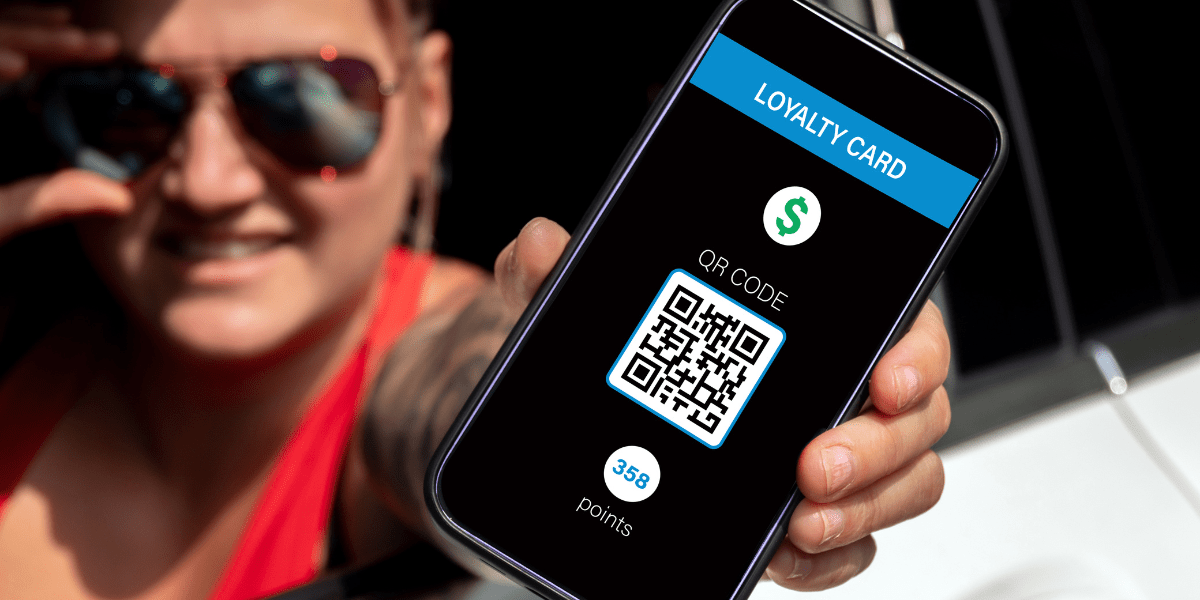

The UK grocery market has drastically moved online over the past several years. As online shopping and app-based delivery have taken off, grocery-delivery apps are becoming a central way that households acquire everyday essentials. From established players like Tesco and Ocado to upstarts, these services are now about far more than convenience; they are business models with which to build sustainable revenue streams that would make the model profitable.
But how do grocery apps in the UK make money?
The answer is in how they make money. While at a traditional grocery store, margins come from selling products directly, for grocery apps, it’s a mix of transaction fees, paid memberships, and advertising options. Every model has its strengths and weaknesses, but the most successful apps bring them together in a hybrid that reflects UK customer behaviour.
In this blog, we’ll explore:
- The primary business models of UK grocery apps.
- How membership fees, transaction fees, and advertising drive profits.
- Mixed approach of customer satisfaction and revenue growth.
- What businesses can emulate if they’re looking to launch their own grocery app in the UK.
By the finish, you should have a good idea of how these apps remain profitable despite serving a competitive, price-conscious market.
- TL;DR – Key Takeaways
- Standard Revenue Model Frameworks for UK Grocery Delivery Apps
- Transaction Fees
- Membership Models
- Advertising & Sponsored Listings
- In-App Offers: Promoted vouchers, discounts, or bundle deals.
- Hybrid Revenue Models
- Factors Influencing the Financial Success in the UK
- Why Collaborate with Bestech Solutions – Grocery App Development Company UK
- Conclusion
- FAQs
TL;DR – Key Takeaways
How grocery apps make money in the UK, with transaction fees, memberships, and ads.
Transaction fees are a dependable source of short-term cash flow, and memberships provide recurring revenue.
With ads and sponsored placements, there is the added benefit of scalability (as long as user bases are increasing).
Hybrid – these lumps are made from all three and are the most environmentally friendly on the UK market.
The payback period for grocery apps in the UK is between 18 and 24 months, provided you have implemented business models well.
Standard Revenue Model Frameworks for UK Grocery Delivery Apps
In terms of revenue generation, the majority of UK grocery delivery apps aren’t based on a single stream of income. Instead, they rely on a combination of up-front customer payments and brand partnerships, combined with recurring subscriptions.
Three primary models underlie the many definitions:
Transaction Fees: These are service fees, delivery fees, and occasionally markups on groceries. For instance, a lot of UK apps tack £2–£5 onto each delivery or assess variable service fees depending on the size of an order.
Membership Models: Subscriptions charge customers for benefits like unlimited free delivery, exclusive discounts, and priority booking slots. Tesco’s “Delivery Saver” And Ocado’s Smart Pass Are About The Most Obvious In The UK, But….
Advertising & Sponsored Listings: In addition to direct charging customers, grocery apps make money as they charge brands for visibility. Sponsored search listings, banner ads, or featured product placements offer an additional revenue stream and let FMCG brands promote themselves more often.
The majority of profitable grocery apps integrate all three models in order to increase revenue and provide customers with commercially predictable values. For example, the Instacart-style hybrids — users pay fees per order but can also upgrade to a subscription at the same time as brands pay for ads — are now being copied across into the UK grocery app market.
What we end up with is a diversified revenue model that spreads risk, stabilizes income, and gives more points at which to monetize.
Transaction Fees
Transaction fees are the easiest way to make money from grocery apps in the UK. Orders made through the app are typically accompanied by a service fee, delivery fee, or both. To consumers, those small charges may seem fairly inconsequential, but multiplied across thousands of orders every day, they add up to a steady stream of revenue.
In the UK, delivery charges are usually between £2 and £5 per order, depending on the size of the order, time slot, and location. Some apps also use variable pricing — higher delivery fees, for instance, during the busiest evening or weekend hours. In addition to delivery, most apps charge a service fee (typically 5–10% of the basket), which is meant to cover operational and platform costs.
Another layer is from the minimum basket surcharges. They insert coins or fuel cards, and if they spend under a certain amount (say £25), a secondary, smaller fee is added. This encourages bigger orders, but also monetises smaller baskets that don’t make as much economic sense otherwise.
Examples from the UK market:
- Tesco & Sainsbury’s: Standard deliveries generally cost £2-£4, more during peak slots.
- Ocado: Prices are based on basket size and area, but this is offset by its Smart Pass membership.
- Gopuff & Getir: Quick-commerce apps, typically with flat delivery fees (£1.99–£2.99) and service charges in tow.
Transaction fees actually guarantee a predictable revenue, but the problem is the customer attitude. “UK consumers are also very price sensitive, and if they keep getting charged on a regular basis, this can put them off.” That’s why so many platforms balance them with subscription memberships to increase long-term retention.
Membership Models
Membership models are now a staple of how grocery apps make money in the UK, as they supply subscription-based, recurring revenue. Instead of charging a delivery fee per order, users pay a monthly or annual subscription for benefits like free delivery, exclusive discounts, and priority booking slots.
Tesco’s Delivery Saver is a case in point, offering unlimited free deliveries from about £7.99/month – no messing around with individual delivery costs. Another is Ocado’s Smart Pass, which combines free deliveries with discounts on premium products. These memberships build loyalty by locking people in and help even out cash flow for the business.
For users, memberships start to feel like savings after just a handful of orders each month. For businesses, they increase retention rates and decrease dependence on per-order fees. Indeed, if anything UK consumers now see these models (like Amazon’s Prime) as part and parcel of a complete digital shopping experience.
Advertising & Sponsored Listings
Advertising is also a lucrative money-spinner for UK grocery apps as they monetize via brands seeking to target our online shopping. FMCG brands want to pay for visibility, particularly in a context where more and more households are shopping online for their weekly shop.
Several advertising formats are utilized:
Sponsored Product Listings: Companies pay to appear at the top of search results or in sections such as “Trending.”
Banner Ads & Promotions: Sit in the app interface, and sometimes are just for categories like the fresh category or snacks.
Also Read:- Develop on-Demand Super App
In-App Offers: Promoted vouchers, discounts, or bundle deals.
In the UK, this stream is gaining traction by giving grocery apps a way to raise marketing fees from customer-facing contacts and provide brands with direct access to high-intent product shoppers. Advertising revenue can be worth millions for platforms at scale, as UK grocery app penetration surges.
The desire is balance — too many ads can alienate users. Common features of successful UK apps include subtlety-ad integration, tailoring promotions around user behaviour so they feel more personalised offers than interrupters.
Also Read : Cost of Developing a Custom Grocery
Hybrid Revenue Models
While transaction fees, memberships, and ads alone can create revenue on their own, the UK’s top-performing grocery apps use a hybrid revenue model that combines all three. (That strategy mixes short-term fees with recurring and long-term revenue from subscriptions and advertising.)
Tesco’s Delivery Saver is a prime example of this. Customers may opt to either pay a delivery fee per order (transaction fee model) or subscribe for a monthly membership that waives those fees. And, to add insult to injury, Tesco also offers sponsored product placement — so brands can pay for in-app visibility. The result is a stacked system that keeps users engaged while the platform isn’t dependent on one single source of income.
For consumers in the UK, hybrid models offer choice. Bargain hunters can opt to pay per order, while regular customers save by paying for a membership. Brands, meanwhile, gain access to a big and dedicated user base to whom they can hawk their wares. Not everyone takes part in quite the same way, but all contribute to the company’s multiple revenue streams.
Hybrid Model in Business Context
In the business context, hybrid models also serve as risk-reducing factors. Transaction fees provide up-front cash flow, memberships stabilise revenue, and ads enable scaling as the audience grows. For instance, Ocado’s Smart Pass ensures predictable recurring income for the company while advertising from high-end food brands pushes margins even higher.
The problem with hybrids is in the balance. Too much in fees can drive off customers, too aggressive an ad approach may undermine trust, and underpricing memberships might gut profitability. That’s why a top UK grocery app relies on data-driven approaches to tracking customer behaviour and adjusting pricing or ad placements at whim.
Hybrid Is Often The Best Sustainability Model For Newcomers In The UK. For new entrants in the UK market, starting as a hybrid is commonly going to be your most sustainable choice. It means revenue isn’t dependent on only one channel and offers a way to adjust to new customer expectations.
In other words, hybrid revenue strategies aren’t just a ‘thing’ – they represent the future of UK grocery app monetisation. They are what enable businesses to remain competitive in a market where margins are low, but user expectations are high.
Factors Influencing the Financial Success in the UK
As you can see, even with a sustainable monetisation plan that DB Schenker had used in its database, the conclusion is that not every grocery app UK company makes it big. In this environment, the difference between a successful platform and one that struggles is usually nothing short of how well-suited the revenue model is to UK consumer behaviour, competitive dynamics, and regulation.
Customer Willingness to Pay
UK shoppers are famously price-sensitive. Although quite a few people are happy to shell out a modest delivery fee, they switch services at the drop of a hat if fees seem unfair or too high. Apps need to find the sweet spot between service fees and perceived value. For instance, it is common practice in the UK to provide free delivery with a minimum basket size (typically £40-£50), which incentivises larger orders while ensuring that customers remain happy.
They should also be careful about how they price memberships, she added. Relying on a £7.99-£9.99 monthly program to win back customers might work for regulars, but occasional shoppers would need more convincing (and marketing).
Competition with Supermarkets
In contrast to some markets where standalone delivery apps lead the pack, the UK grocery app arena is very much swayed by supermarket behemoths. Tesco, Sainsbury’s, Asda, and Ocado all run their own delivery platforms with often strong levels of brand loyalty.
For independent or third-party apps, the competition entails focusing on better convenience, unique features, or wider-ranging partnerships. Revenue models will need to reflect this — some small apps may not want to rely on transaction fees alone in their attempts to compete with supermarket behemoths.
Compliance & Transparency
British laws on consumer rights and ad transparency are also driving revenue models, while the UK’s topical news cycle informs content strategy. Airlines, for example, now must disclose delivery charges in advance so that customers aren’t deceived. Likewise, sponsored listings have to be visibly labelled ads to meet UK Advertising Standards Authority (ASA) rules.
Not adhering to it not only brings a potential penalty, but also undermines the trust of customer relationships, which is significant in a marketplace marked by strong competition and very little cost for changing suppliers.
Technology & User Experience
Monetization success also depends on how seamlessly it is integrated into the application. Clunky checkout flows, confusing subscription plans, or poorly designed and cannibalizing ads can be a roadblock to users, frustrating the adoption curve. The quality of the experience the revenue strategy enables is just as vital as smooth design, fast performance, and transparent pricing.
The lesson: successful grocery app monetisation is as much about influencing consumer behaviour and adherence as it is the revenue model itself in the UK. Fairness, clarity, and user-friendly design-oriented businesses are best positioned for long-term success.
Why Collaborate with Bestech Solutions – Grocery App Development Company UK
But monetising a grocery app is not just about slapping on fees or ads — it’s about developing a platform that can scale cost-efficiently to fit in with the varying, specific expectations of UK shoppers. We are a top grocery app development company in UK, here to help you.
Expertise in the UK Grocery Market
We know the UK grocery market, from the dominance of supermarket-backed apps through to the emergence of quick-commerce start-ups. Our team develops apps around UK consumer behaviour, pricing sensitivities, and compliance requirements (including GDPR & ASA advertising guidelines).
Revenue Models Built-In
We have a business model for every app we build – whether it be fees, memberships, or advertising. Whether you’re testing the concept with an MVP or rolling out a complete platform, we ensure your monetisation strategy will fit your app’s design and customer journey.
End-to-End Development Services
Bestech Solutions manages the entire process so you don’t have to waste time with several vendors. We cover:
- Bespoke Feature Design: From booking delivery slots through to membership systems.
- Integrations: Payment gateway, CRM, and retailers’ systems.
- Scalable Solution: Cloud-based hosting and streaming, which grows with demand.
- Post-Launch Support: Keeping revenues high through maintenance, updates, and optimisation.
ROI-Focused Partnership
We want to make sure that UK businesses get payback quickly. We keep monetisation at the forefront of our design strategy, and apply hybrid revenue models to make sure your grocery app isn’t just surviving in a cut-throat industry.
We’re here to develop apps that protect users, one delivery at a time. Whether you’re Tesco or an exciting new kid on the block in the world of UK grocery delivery, Bestech Solutions has your back as we design and create an app for delivery which prioritises people’s satisfaction over high volume sales.
Also Read:- eCommerce App Development Cost
Conclusion
The UK grocery delivery market is booming, but it takes more than convenience to succeed. Apps need business plans, carefully thought-out revenue models that give customers what they expect but still pay the bills. Transaction fees mean getting paid from day one, and memberships ensure long-term sustainability, whilst advertising offers you viral growth at scale.
The top UK grocery apps are successfully employing hybrid monetisation models that comprise all three streams, optimising the best ways to drive revenue and provide choice to customers. But execution is everything with things like price sensitivity on the part of consumers, supermarket rivalry, and regulations.
With the right strategy — and the right partner — organizations can not only recoup development costs faster but also earn strong ROI over the long term. At Bestech Solutions, we assist UK companies in developing grocery apps that are highly compliant and profitable in the end.
FAQs
UK grocery apps generally earn money through a combination of transaction fees, membership subscription charges, and advertising. Others rely on “hybrid” models that use some combination of all three.
Delivery costs typically sit between £2 and £5 per order, but with extra service fees or small basket charges when below a certain level, usually during peak hours.
Yes. Tesco’s Delivery Saver and Ocado’s Smart Pass are powerful cases in point. Regular customers will find memberships less expensive than paying per delivery.
Ads and sponsored listings can generate millions a year for large grocery apps. Brands pay for visibility in search results, banner ads, and promoted placements.
Small apps can make their money back in 12–18 months, big old enterprise apps – they tend to be more like 24–36 months, depending on user adoption and how you monetise.
And that’s because we’re a UK supermarket app development agency that knows local compliance, price sensitivities, and shopper behaviour. We create the right sort of apps: scalable and monetizable.