
Customer engagement is among the most pressing concerns for marketers today. Why? It explains the main reason marketers advertise: to create relationships with their customers to ensure they select you over your competitors. As they enjoy and gain from your service or product, they continue to return to learn more and encourage their family, friends or colleagues to test it as well.
To acquire clients, keep them, convert them and make them advocates, you must be in touch with them and engage with them in a relevant, efficient and effective manner.
Brands should no longer rely solely on attractive slogans or celebrity endorsements. With smartphones and social media, businesses and brands must be “on” ready to explore opportunities to connect with their customers at any time, anywhere.
If you think this could be a challenge, don’t be scared! There are many strategies you can employ to improve customer engagement and they don’t need to be complex. Instead, they should be authentically sourced, target the appropriate audiences and give compelling reasons to customers to be engaged so that they really want to.
What is On-Demand Marketing?
On-demand marketing is a method that is always ready to meet the customer’s requirements and demands. It can offer continuous engagement based on the consumer’s demands. To do this, brands carefully observe their customers’ behavior to determine what they want and when they’ll need it so that they can respond at that precise moment.
Numerous websites are implementing virtual try-ons, which are a good example of on-demand marketing. For instance, Ikea’s Place app uses Augmented Reality to let online shoppers place items in their homes and understand how they’d appear in the room.
It automatically adjusts the size of products according to the room’s dimensions so that customers can see precisely what the product will look like in the space. Customers can also upload a photo or video of their surroundings with peers to gauge their opinions. This greatly enhances the shopping experience and guides purchasing decisions.
How On-Demand Marketing Works?
Influencer marketing app development integrates modern technology to deliver the services customers require precisely when they require it. To analyse consumer behavior and to provide instant, personalised solutions, it makes use of technology and tools like:
Artificial Intelligence (AI)
AI analyses consumer behavior to provide personalised recommendations, such as when an online store suggests items according to your preferences.
Internet of Things (loT)
Connected devices, such as smart speakers, wearables and watches, collect data to send regular notifications or promotions.
Augmented Reality (AR)
AR applications let users experience products such as clothing or makeup in a virtual environment, enabling them to shop more confidently at home.
Near-Field Communication (NFC)
Smart restaurant coasters offer instant product information with just a single phone tap.
Big Data Analytics
This technology assists businesses in processing huge amounts of data to identify patterns and create specific marketing campaigns.
These tools allow companies to build detailed consumer profiles, analyse their buying habits and respond to their current needs.
Benefits of On-Demand Service Apps to Businesses
A mobile app that is on-demand offers many benefits for businesses. Let’s look at them in order:
Flexibility and Dynamic
A businessperson’s working day is hectic and chaotic! However, apps can simplify many paperwork tasks, including payments and entry documents.
As an example, let’s think of an establishment that serves food. At peak times, customers keep coming in. With such a high volume, how can the supervisor find time to enter data to record the bill and inventory numbers, create requirements lists, etc.?
Cost-Effective in Nature
It’s not difficult to comprehend that building a fully functional app is a huge expense in terms of time, effort and resources. For comparison, go for on-demand influencer marketing app development that meets users’ most basic needs is less expensive and more efficient.
Clear Scope of Scalability in the Future
What a brilliant idea?
Start by launching an on-demand application that meets customers’ basic needs. Later, you could add more features to your app and develop it into an online marketplace where other businesses can sign up. The fee you earn will increase your income.
Super Secure On Demand Service Apps
The information about the customer, including the name of the consumer, the items and services they like on their wishlist, price filters and other information, is collectively referred to as data. As a business owns the app, developers of the app on demand can build and manage a private cloud that keeps all data secure and safe in one spot.
Aids Potential Growth
If a company can be equipped with an app, there’s a huge opportunity to grow in the digital age.
Do you agree?
Well, we’re sure you’re doing it!
An on-demand mobile app makes the business concept and its products more accessible to the public. An average conversion rate of 30% can be anticipated, aiding in the company’s expansion.
Enables Consumers (Users) to Leave Feedback
It’s boring and unprofessional for customers to post negative feedback on their service experience. Online apps save the day.
One significant advantage of apps for on-demand services is that they allow users to send their feedback anonymously. This helps service providers understand the areas where they’re not doing well and avoid holding grudges with customers who can hide their identities.
Benefits of On-Demand Service Apps to Customers
Customers are pleased when the customer service in the store is satisfactory. Do you know when customers are happy? They are when they receive support online via an application. Let’s look at the benefits that On-Demand Service Apps can offer their customers.
Ease in Ordering Systems
The mobile apps are highly comfortable and self-learning. Users swipe and scroll through the interface and can comprehend the application’s functions and features. Users can utilise the application when placing an order or making an appointment to avail of the service they would like to use.
Real-Time Tracking of Orders
After placing an order or booking, customers can check the status. Will the order be accepted or rejected, will it arrive, etc.? This eliminates the time spent coordinating between the parties.
Single Click Easy Order Cancellation
Did you regret placing an order? Humans are a bit fickle and we’re bound to have second thoughts after a change of mind.
When customers have second thoughts regarding the orders they make and want to cancel them, online on-demand apps let them cancel orders or requests without hassle.
Flexible and Glitch-free Payment Gateway
Technology has enabled businesses to process payments in just a few seconds. There is no need to travel for a bank account, nor does the business owner need to go to the store to take the money. Payments are secure with the secured payment gateway.
Interest-free Installments
Everyone earns money so that we can afford to spend it on ourselves. Sometimes, however, the sum is so big that the cost of everything at one time becomes problematic.
Some products & services cost more, so customers like to pay the price in installments. Additionally, interest-free deals on the latest generation’s models draw customers to profit.
Push Notifications That Aren’t Annoying
They also consist of push notifications, which notify users about recent updates and special transactions available through the app. However, apps that are on demand permit users to deactivate push notifications for their users. However, the offer’s opening rate and conversion rates through push notifications are satisfactory enough.
Effective Customer Engagement Marketing Strategies To Try
If you’re seeking practical ways to add engagement marketing to your arsenal, you’ve come to the right spot. Experiment with a few of our best omnichannel customer engagement marketing strategies and see how this type of on-the-spot approach will enhance customer satisfaction while also driving up sales.
Product Recommendations Tailored to Your Needs
Old, generic, unrelated product recommendations or promotions must be eliminated from how your customers engage with your tool. Instead, use automated tools and data to provide personalised suggestions on products for your customers.
With information about your visitors’ browsing habits and past purchases, you can customise product recommendations — much like Netflix offers personal suggestions. One option is an interactive quiz on your site to assist customers in discovering the perfect product.
Customer-Focused Social Media Campaign
Consumers spend countless hours on social media, up to 2 hours and 23 minutes daily, catching up with family members, favorite brands and even influencers. Ensure your brand’s presence on social platforms counts by figuring out ways to connect with customers via social media-related campaigns. Some examples might include:
- Create a hashtag for an idea cause or meme-worthy event, then get it to trend.
- You can run a social media marketing campaign in which you collect user-generated videos or photos and convert them into videos of gratitude to the loyalty of your customers and supporters.
- Transforming real-time information from your clients into customised information and visualisations of data
- Social media app development services has endless possibilities. All you need to do is get in touch with your client base to understand their needs.
Active Community Group or Forum
Create forums or community groups to allow your customers to discuss everything connected to your brand. This marketing approach to engaging customers gives you the perfect opportunity to gather valuable information through sharing polls, asking questions or requesting reviews and images.
While Facebook groups are significant, it is important to consider other possibilities for building communities. Discord or Reddit are fast becoming the two most well-known ways to do so.
In-person or Online Workshop
One of the most effective strategies for marketing customer engagement is creating an engaging experience that entices customers to be involved. Workshops in person and online, as well as immersive events, are excellent methods for increasing customer engagement.
Pick a theme or subject that appeals to your target audience, then design an exciting experience or event around the topic. For instance, you could offer your clients an exclusive behind-the-scenes experience or let them master the latest technique.
To host hybrid and virtual occasions, use the virtual cards for a quick and fun way to offer lunch. Guests will have the option of ordering from their local favorite vendor.
Gamified Customer Loyalty Program
The reward for your customers’ interaction with your company is incredibly powerful, both large and small. Implementing a gamified loyalty program is a thrilling method of rewarding and encouraging engagement and increasing brand loyalty.
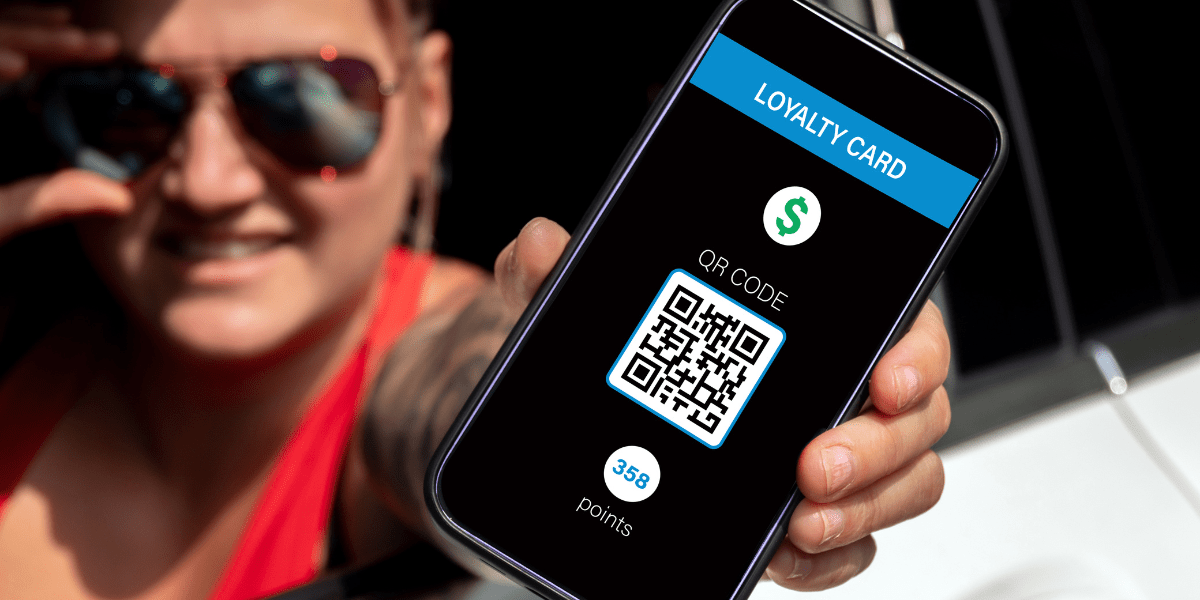
Give your loyal customers different options to collect points, badges, stamps and reward tokens. You can reward customers for purchasing items or referring others to you, filling out surveys, submitting reviews, earning social media posts or participating in any other engagement with your brand you wish to promote. You can be creative with your sales incentive scheme here. Go all-in on an experience branded with the most fun logo, unique tokens and unique rewards.
Simplified Ordering
Engagement marketing isn’t just focused on a significant campaign or event. Sometimes, it’s about enhancing customers’ experiences. Implementing a few enhancements to your checkout and ordering process can improve customer satisfaction and increase future engagement.
Find ways to improve your ordering experience by making it easier for customers. Simple one-click ordering and streamlined renewals are great ways to decrease hassle and enhance customer experience. Make sure to offer personalised product recommendations and allow customers to earn loyalty points. You’ve got the recipe that will be one of the top customer-engagement marketing strategies currently available.
Q&As on Social Media
Social media is a great way to reach a large potential audience; however, capturing the attention of these people isn’t always simple. A practical method to engage people with your brand is to hold an interactive Q&A session.
Engage a celebrity influencer, celebrity or expert to host your Q&A. Announce it before the event and invite your guests to ask questions before and during your event. This will create a memorable occasion for your customers to participate and help them gain valuable insights into their preferences and interests.
Relevant Push Notifications
You may have noticed the suggestion to allow push notifications whenever you arrive on a media or online store website. At the same time, push notifications seem like a marketing blit and are not appropriate for all occasions; sending relevant notifications could be an effective way to get your customers to buy from your company at the right moment. Just make sure it’s carried out responsibly.
For any campaign that uses messaging, you must consider frequency and relevancy. Differentiate yourself from other brands by only delivering notifications to items or offers that customers will appreciate, which you can achieve with the right combination of automation and data. Let your customers at the beginning and urge them to sign up for push notifications for promotions you think they’ll wish to miss.
Design Contest
If you’re an entrepreneur with a creative audience or are in a niche focused on products, a design contest is a great way to make other strategies for customer engagement seem quaint. Invite clients to share an idea for a product, personalisation of a product or brand-name swag and let everyone choose the design they like best.
Design contests are terrific because they provide new ideas, creativity, the possibility of winning and an authentic sense of community. Even if your clients do not want to submit an idea, they can nevertheless vote, share their thoughts with other contestants and express their opinions.
Designers can witness their ideas realised by the brand they adore. Other prizes, like the virtual card, are also available to the contest winner and runners-up.
Fundraiser or Community Event
We all have brands that have a strong connection with a cause or charity. For companies with a strong heart, participating in or sponsoring events or fundraising for the community is a sign of how much they care — and provides an excellent chance to participate in efficient customer engagement strategies.
Community and fundraising events can be a great way to help others and get closer to your clients. If you can tie your brand with the occasion or the experience, you can raise funds for important causes, connect with your patrons and boost your brand’s visibility. Inspire your customers to contribute whenever they can, promote the word on the internet and take part in unique experiences during the event.
How to Get Started with On-Demand Marketing?
With all the above advantages, you may be curious about incorporating on-demand advertising into your marketing strategy. Here are a few essential steps to start your journey to campaign management software development.
Understand Your Audience
Because the concept of on-demand marketing revolves around meeting your customers’ needs in the appropriate timeframe, it all begins with being aware of your target audience. Who are you targeting and what do they require? What are their most pressing problems and what is driving them to purchase something? Where can they make a purchase or search out the best brands?
These are some of the key questions that will provide you with an idea of how to execute on-demand marketing. You’ll know how to target your customers with special offers that address their needs at the time they require them.
It’s crucial to examine customer data to understand their requirements, behavior and habits. Explore beyond the analytics data and get information from social listening and customer feedback. Find out what customers are saying to determine any needs that are not being met and that you could meet.
For instance, it has done an excellent job of using social listening to determine its customers’ needs and preferences. They noticed a desire among customers for more sour flavor, which resulted in collaboration with other brands like Hello Kitty to develop new and exciting flavor combinations.
Optimise Interactions Across the Customer Journey
Each customer interaction with your brand must be designed to facilitate on-demand advertising. This will require applying the principles discussed earlier at various points of contact that influence customers’ buying decisions.
Begin by tracing the customer’s journey and then identifying the ways in which each touchpoint can be improved. For example, when displaying ads on social media during the stage of awareness, dynamic advertisements that are relevant to every customer’s tastes can be included. Instead of seeing generic items, customers will see items that they actually enjoy, which could tempt buyers to buy.
If users want to find out more information about your products and services, you can enhance the user experience by giving them different ways to access the details. In addition to the blog and FAQ section, you could add a chatbot that responds to a predefined set of questions. In addition, you can offer an online assistant to help users make their buying decisions.
Shiseido excels at offering various options to guide customers’ purchase choices. It includes a product search quiz asking several questions to help customers discover the best formulation tailored to their needs.
Customers can also request a video consultation for personalised tips and tutorials. The consultation is a one-on-one video call with the brand’s beauty experts to address the customer’s requirements for assistance from a professional, regardless of where they live.
Once the customers are ready to buy the item, they can join Shiseido’s auto-replenishment service. It allows products that are eligible to ship automatically at regular intervals, according to the cycle you prefer. By using this method, the brand actively engages customers in making repeated purchases and turns the customers into loyal ones.
Invest in an Omnichannel Experience
On-demand marketing also focuses on getting your customers to contact you when they’re looking for it, whenever they’re looking. That means your brand’s message should be easily accessible to them, regardless of which channel they choose to utilise. Therefore, creating an omnichannel experience and maintaining an online presence for your brand on each channel your customers use is essential.
Home Depot seamlessly blends the store and online experience by incorporating a mobile app that addresses customer-specific concerns. Apart from a room visualiser, similar to the Ikea Place application mentioned earlier, customers can also use the app to take pictures of an object to find out what it is. This way, you will be able to easily identify the part’s name that needs to be replaced and start looking for it on the internet.
Furthermore, the app improves the shopping experience at the store by allowing customers to view the current inventory of the particular store. It lets them scan barcodes and read online reviews of specific products that help them make their buying decisions. You can also use a product locator to navigate around the stores and quickly locate the items they require.
This enhanced omnichannel experience enables you to effortlessly drive significant interactions regardless of the channel your customer uses. Customers can access the information they want at any time they require it, regardless of where they are, making it a vital component of online marketing.
Leverage Automation Software
On-demand marketing is difficult as it requires the availability of open-to-all hours. It could also appear impossible since it will require most of your time and investment in a massive workforce. This is where automation software can help to fill in the gaps that result from a lack of resources.
Automated software can automate your communication to ensure the same custom. It could require tasks such as sending emails that are triggered by certain events and actions based on a predefined automation workflow. This could also include chatbots that can provide automated responses to the predetermined list of questions.
Businesses like Snatcher have been able to automate cart abandonment emails that significantly boost their bottom line. Automating these emails has allowed Snatcher to re-engage customers who had left items in their carts, which increased revenue by 74.
Furthermore, automation may come through intelligent suggestions based on the customer’s behavior and history of purchases. These recommendations are made using algorithmic machine learning that analyses every customer’s behavior patterns and data about users. This allows the system to provide the user with product or content recommendations specifically tailored to them.
Conclusion
One of the benefits of on-demand marketing is that it provides companies with more opportunities to select from. A variety of marketing options are available. This makes it possible for a company to make the wrong decision and spend enormous amounts of money on marketing that will not yield what they want. If they make better decisions, companies will save money on marketing. In the end, companies can get the right marketing services that give the results that they need.
When a company chooses to use the concept of on-demand advertising, it will have an abundance of discretion in how it works. In a nutshell, a company can decide which time it makes sense to use the influencer marketing solutions and when it’s best to just leave them in place. Whatever the business chooses to do, it is a fantastic solution.
FAQs
What is the significance of the term “on-demand marketing”?
The concept of on-demand advertising is highly adaptive and flexible. At its heart, it is a marketing method in which strategies and campaigns are designed and implemented in real-time to meet consumers’ current desires and demands.
What are some of the best on-demand marketing examples?
A good example of on-demand marketing is a company offering an application that lets customers virtually try out items from their online shop. Another example would be a consumer scanning barcodes at the store and reading reviews for the same item online.
How does marketing relate to demand?
Demand marketing is how marketers seek to create commercial interest or demand for their goods. To do this, they must make customers aware of the business and the products they sell and interested in buying those products.